
Buying in Rural Erin in 2025: The Well & Septic Buyer’s Checklist—Plus How the New Wastewater Project Could Shape Home Values
Buying in Rural Erin in 2025: The Well & Septic Buyer’s Checklist—Plus How the New Wastewater Project Could Shape Home Values
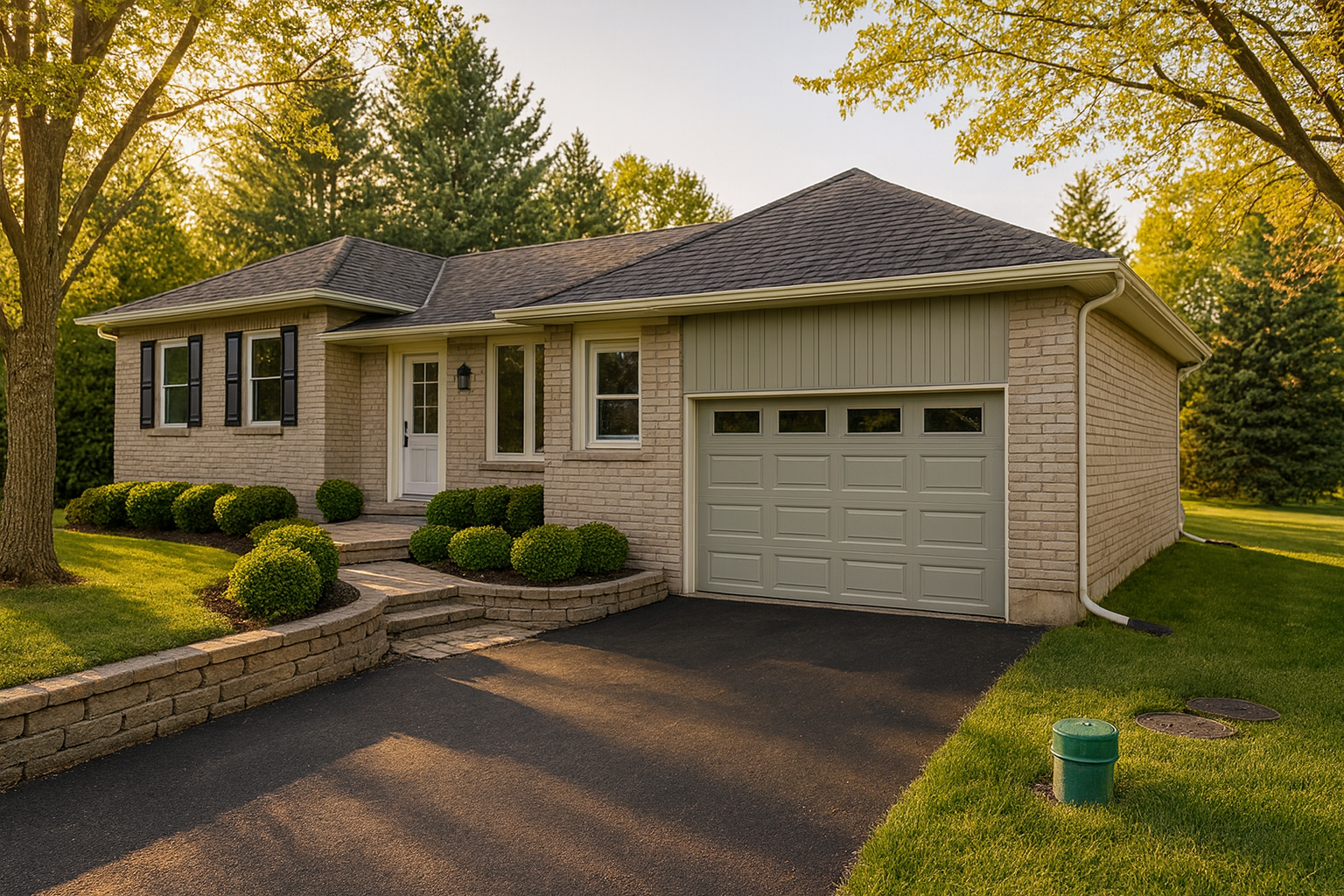
Thinking about a move to Erin? You’re looking in the right place. Our rolling countryside, village main streets and trail networks offer a lifestyle that’s hard to beat. Most homes here are rural—meaning private wells and septic systems instead of municipal services. I specialize in these properties. This guide gives you a clear, practical checklist for buying in Erin today—and explains how Erin’s new wastewater system could affect residential values in the years ahead.
The rural reality (in 60 seconds)
-
Private wells supply drinking water; you’re responsible for testing and maintenance. Free bacterial testing (E. coli and total coliform) is available through Public Health Ontario via local drop-off.
-
Septic systems treat household wastewater on-site. They’re governed by Ontario’s Building Code (Part 8) and require regular inspections and pumping. In certain source-protection areas near municipal wells, inspections occur every five years.
Your Well Buyer’s Field Checklist (bring this to showings)
-
Water quality
-
Plan to submit two bacterial potability tests (early in conditions and again just before closing).
-
If a test fails, remediation might be as simple as shocking the well or as involved as adding treatment (UV, filtration).
-
Consider optional chemistry (nitrates, hardness, iron/manganese) via an accredited lab if you or your lender want a fuller picture.
-
-
Flow/yield & recovery
-
Ask for well records and a yield (pumping) test to confirm sustained flow is adequate for your household.
-
-
Well age, construction & protection
-
Review the well record (depth, static level, construction), inspect the cap/casing, and check that grade slopes away from the well.
-
Keep the wellhead clear of landscaping and potential contaminants; maintain tight, vermin-proof caps.
-
Pro tip: Test early—and repeat just before you waive conditions. It’s the simplest way to buy with confidence.
Your Septic Buyer’s Field Checklist
-
System type & age
-
Determine whether it’s a conventional bed, raised bed, or advanced treatment unit.
-
-
Location & condition
-
Identify tank and bed locations; look for soggy areas, odours, backups, or recent disturbance. If records are thin, book a qualified septic inspection.
-
-
Maintenance history
-
Septic systems should be inspected every 3–5 years and pumped as needed; minor preventative care is far cheaper than replacement.
-
-
Replacement budgeting
-
Costs vary by site and system design (soil, slope, setbacks). If the system is near end of life, obtain quotes during your conditional period.
-
-
Five-year inspections in vulnerable areas
-
If the property is in a wellhead protection area, expect mandated inspections every five years. (Outside those zones, inspections aren’t mandated—but still smart.)
-
What’s changing in Erin: the wastewater project (and why it matters)
Erin is building a municipal wastewater system to service the Village of Erin and Hillsburgh, including gravity sewers, a pumping station and a new Water Resource Recovery Facility. Construction is progressing, with major works slated through 2025 and completion targeted for 2026 (timelines can shift in large infrastructure projects).
What this could mean for values (residential):
-
Proximity to future servicing may influence buyer demand for in-town homes.
-
Well-documented rural properties with strong well and septic records will continue to command a premium for confidence and convenience.
-
Expect case-by-case effects as connection areas, fees and policies are finalized.
How to shop smart in Erin (my simple plan)
-
Before you tour: Get pre-approved and set a rural-property budget line for potential well/septic updates.
-
During conditions: Order two bacterial water tests (one early, one just before waiver); book a well yield test if records are thin; schedule a septic inspection if age/condition is uncertain.
-
After closing: Set reminders for routine water testing and septic maintenance so you protect your investment.
Local help, next steps & a free checklist
-
Pick-up/drop-off for well-water testing: Check local Public Health locations and drop-off times; use the Public Health Ontario requisition for results.
-
Want my printable “Erin Well & Septic Buyer’s Checklist”? I’ll send it free.
-
Have a property in mind? Book a 15-minute call and I’ll help you compare homes apples-to-apples—so you can buy with confidence in Erin.